
Top 10 AI-Powered ITSM Platforms for 2026: Expert Picks
Finding the right IT service management platform has never been more critical—or more confusing. In 2026, AI is no longer a bolt-on; it’s the engine that drives faster resolution, proactive insights, and effortless employee experiences. But with nearly every vendor claiming to be “AI‑powered,” how do you separate genuine innovation from marketing spin?
We’ve cut through the noise. This top‑10 roundup focuses exclusively on platforms that embed real AI capabilities into core ITSM workflows—from agentic incident resolution to predictive change management. Whether you’re a mid‑size team looking for a fast, modern solution or a large enterprise seeking depth, you’ll find an honest, evidence‑based comparison here.
How We Evaluated These AI-Powered ITSM Platforms
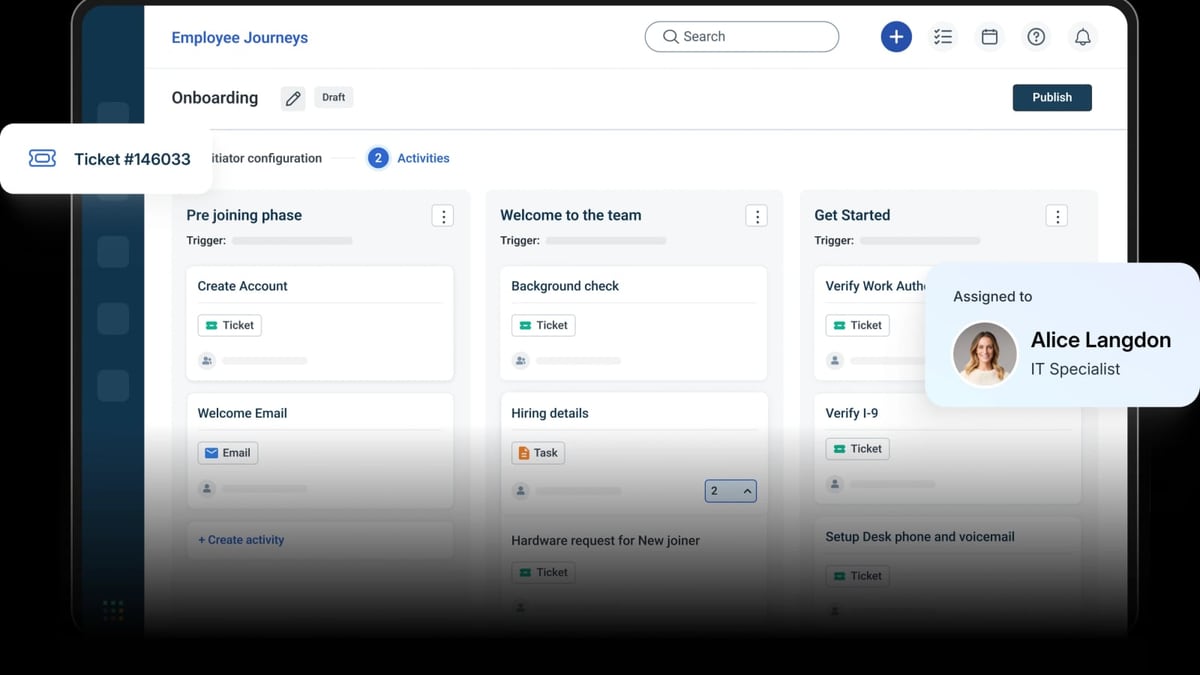
Top 10 AI-Powered ITSM Platforms in 2026: Expert Review product interface and feature overview.
Our selection follows a transparent framework. Every ranked product has been assessed against six criteria that matter most to IT leaders in 2026:
- AI maturity – Does the platform offer more than basic automation? We looked for agentic AI, generative interfaces, predictive insights, and self‑improving knowledge bases.
- Ease of deployment – Time to value counts. Platforms that go live in weeks—not months—score higher.
- Total cost of ownership – We considered licensing transparency, hidden add‑on costs, and the need for external consultants.
- User satisfaction – Verifiable ratings from G2, Gartner Peer Insights, and community reviews carry weight.
- ITIL alignment & workflow flexibility – Solid process backbone with low‑code adaptability for real‑world IT teams.
- Integration ecosystem – Out‑of‑the‑box connectors and API‑first design matter for modern toolchains.
Each product below includes concrete evidence, typical G2/Gartner scores (where available), and a clear verdict on who it serves best.
The Top 10 AI-Powered ITSM Platforms in 2026
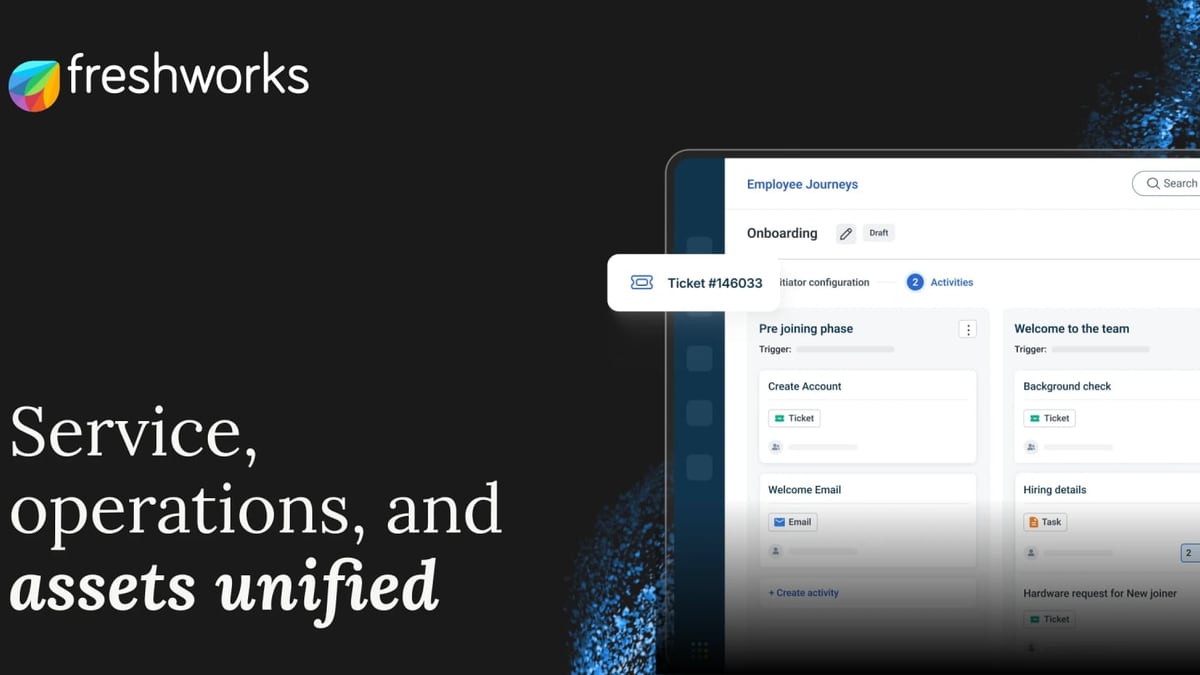
Top 10 AI-Powered ITSM Platforms in 2026: Expert Review product interface and feature overview.
1. Xurrent – AI‑First ITSM Built for Speed
Xurrent (formerly 4me) has rapidly emerged as the go‑to choice for organizations that want AI‑driven service management without the long implementation cycles of legacy vendors. Its multi‑tenant SaaS architecture delivers sub‑350ms response times, while AI touches every module—from intelligent incident routing to workflow suggestions.
Key AI features
- Agentic AI that auto‑triages tickets and proposes resolution paths.
- Generative AI summaries for agents and end‑users.
- Predictive workload balancing across teams.
Evidence
- Gartner Peer Insights: 4.5/5 (280+ reviews)
- G2: 4.6/5
- Vendor promises full deployment in as little as four weeks, with a claimed 70% productivity boost from AI automations.
Pros
- Lightning‑fast time‑to‑value.
- True no‑code/low‑code workflow customization.
- Transparent, usage‑based pricing (though enterprise quotes are custom).
- Designed for federated service management (SIAM) across internal IT and MSPs.
Cons
- Smaller marketplace than ServiceNow.
- Some advanced configurations still benefit from expert guidance.
Best for – Mid‑sized to large enterprises that want modern AI capabilities without multi‑year rollouts.
2. Freshservice – Simple, AI‑Rich ITSM for Every Team
Freshservice from Freshworks combines ITIL‑aligned service management with an intuitive, AI‑powered experience that organizations of all sizes can adopt quickly. It unifies incident, change, problem, asset, and knowledge management on a single cloud platform. Over 20,000 businesses trust Freshservice to deliver fast, frictionless employee support.
Key AI features
- Freddy AI for automated ticket classification, routing, and sentiment analysis.
- AI‑suggested knowledge articles during ticket creation.
- Intelligent chatbots that deflect up to 40% of L1 requests.
- Predictive analytics for asset health and SLA breaches.
Evidence
- G2: 4.5/5 (2,800+ reviews)
- Gartner Peer Insights: 4.5/5
- Consistently praised for rapid deployment and ease of use.
Pros
- Quick setup (often live in days).
- Balanced feature set for small businesses and large enterprises.
- Refreshingly simple UI that drives high adoption.
- Strong automation reduces repetitive tasks.
Cons
- Advanced customization may require add‑ons in higher tiers.
- IT operations management (ITOM) is lighter than some enterprise competitors.
Best for – Any IT team that wants a full‑fledged AI‑powered ITSM without a steep learning curve.
For teams seeking an even stronger self‑service engine, pairing Freshservice with an AI knowledge base can boost deflection rates. Learn how to integrate HelpLook’s AI knowledge base with Freshservice for smarter IT support.
3. ServiceNow – Enterprise‑Grade AI with Unmatched Breadth
ServiceNow ITSM remains the 800‑pound gorilla of the industry. The Now Platform delivers deep ITIL functionality across incident, problem, change, and release management, now augmented by Now Assist—a suite of generative AI tools for summarization, search, and virtual agent interactions. Its strength is its ecosystem: HR, legal, and facilities can all run on the same platform.
Key AI features
- Now Assist for AI‑powered resolution notes, knowledge generation, and virtual agent conversations.
- Predictive Intelligence for change risk scoring and major incident detection.
- Flow Designer enables AI‑informed workflow automation.
Evidence
- G2: 4.3/5 (2,000+ reviews)
- Gartner Peer Insights: 4.2/5
- Extensive enterprise footprint with robust SLA management.
Pros
- Unrivaled depth and customization.
- Massive integration marketplace and developer community.
- AI capabilities growing rapidly with Vancouver and Washington D.C. releases.
Cons
- Implementation typically lasts 6–12 months.
- High total cost of ownership; many AI features locked behind premium bundles.
- Requires dedicated ServiceNow admins or consultants.
Best for – Large enterprises with complex, multi‑department service management needs and the resources to invest in a platform.
4. BMC Helix ITSM – Cognitive Automation for the Enterprise
BMC Helix ITSM targets global organizations that need a cognitive, containerized ITSM. Its AI‑enabled engine can automatically group and route incidents, predict service disruptions, and recommend changes. The platform runs on any cloud and offers true multi‑tenancy.
Key AI features
- Helix Cognitive Automation: Auto‑categorization, assignment, and resolution of incidents.
- Helix Virtual Agent with deep NLP support.
- AI‑driven knowledge curation and duplicate detection.
Evidence
- Gartner Peer Insights: 4.3/5
- Strong analyst recognition for vision and AI execution.
- Deployed in some of the largest, most regulated environments.
Pros
- Highly scalable and container‑based.
- Advanced AI ops for proactive service management.
- Comprehensive suite including discovery and operations.
Cons
- Steep learning curve for non‑BMC shops.
- Licensing can be complex.
Best for – Enterprises with existing BMC investments or those needing proactive, cognitive operations.
5. Ivanti Neurons for ITSM – Hyper‑Automation Meets Service Management
Ivanti Neurons combines traditional ITSM with a hyper‑automation layer that spans endpoint management, security, and service delivery. AI‑powered bots automate routine requests, while the platform identifies risky changes and unknown assets automatically.
Key AI features
- Neurons for ITSM bots that resolve L1 tickets autonomously.
- AI‑driven change approval recommendations.
- Real‑time workspace intelligence for asset discovery.
Evidence
- G2: 4.2/5
- Gartner Peer Insights: 4.2/5
- Recognized for bridging ITSM and IT operations.
Pros
- Tight integration with endpoint and security management.
- Low‑code configuration with visual workflows.
- Quick time‑to‑value for Ivanti ecosystem users.
Cons
- UI can feel dated compared to newer entrants.
- Rich functionality may overwhelm smaller teams.
Best for – Organizations that want unified IT service and endpoint management driven by AI.
6. ManageEngine ServiceDesk Plus – AI‑Driven and Affordable
ManageEngine’s ServiceDesk Plus has evolved into a full AI‑driven unified service management platform. Zia, its AI assistant, powers conversational ticketing, knowledge suggestions, and smart automations from a single console. It’s available on‑premises or in the cloud.
Key AI features
- Zia AI for natural‑language ticket creation and recommendation.
- Automated incident routing based on historical patterns.
- Predictive analytics for resource utilization.
Evidence
- G2: 4.4/5 (1,000+ reviews)
- Trusted by 120,000+ organizations worldwide (including non‑ITSM users).
- Strong price‑performance ratio.
Pros
- Cost‑effective licensing with transparent tiers.
- Rich ITAM and CMDB capabilities built‑in.
- Flexible deployment options.
Cons
- AI features can be less mature than dedicated AI‑first platforms.
- Enterprise scalability sometimes requires careful architecture.
Best for – Mid‑size organizations that want solid AI‑assisted ITSM without breaking the budget.
7. Atlassian Jira Service Management – AI‑Powered ITSM for DevOps Teams
Jira Service Management brings AI‑powered service management tightly into the Atlassian ecosystem. It unites Dev, IT, and business teams on a platform that accelerates incident response with automated alert grouping and smart ticketing.
Key AI features
- AI‑driven virtual agent for conversational self‑service.
- Automatic incident grouping from monitoring tools.
- Contextual knowledge suggestions from Confluence.
Evidence
- G2: 4.3/5 (1,000+ reviews)
- Strong adoption among DevOps and agile IT teams.
- Integrated with Jira Software for seamless change management.
Pros
- Ideal for organizations already using Atlassian tools.
- Fast deployment and intuitive for agile practitioners.
- Rich marketplace for plugins.
Cons
- ITSM depth lags behind pure‑play platforms for complex ITIL processes.
- AI capabilities are primarily in higher‑tier plans.
Best for – DevOps‑centric IT teams that want to align service management with software development workflows.
8. EasyVista EV Service Manager – AI‑Enhanced, Cost‑Effective ITSM
EasyVista’s EV Service Manager markets itself as a feature‑rich, cost‑effective cloud platform. It’s built on ITIL best practices and enhanced by AI to move IT teams from reactive to proactive. The AI engine helps predict SLA misses, recommend knowledge, and automate common requests.
Key AI features
- AI‑powered SLA prediction and ticket prioritization.
- Intelligent self‑service portal with chatbot.
- Automated request fulfillment for standard changes.
Evidence
- G2: 4.3/5
- Noted for its low TCO and rapid implementation.
- Strong presence in mid‑market and European enterprises.
Pros
- Transparent, competitive pricing.
- Quick to deploy (weeks, not months).
- Clean, modern UI.
Cons
- Smaller community and marketplace than giants.
- AI features still maturing.
Best for – Organizations seeking a practical, budget‑friendly ITSM that doesn’t skimp on AI.
9. Aisera – Agentic AI for Autonomous Service Management
Aisera takes a domain‑specific, agentic AI approach to ITSM. Its AI agents are battle‑tested for autonomous ticket resolution, multi‑step fulfillment, and proactive notifications. It integrates with major ITSM platforms like ServiceNow and BMC, but also offers its own service desk.
Key AI features
- Autonomous AI agents that resolve up to 75% of user requests without human intervention.
- Generative AI for automated response drafting and knowledge creation.
- Multi‑channel conversational AI (Slack, Teams, email).
Evidence
- Gartner Cool Vendor recognition.
- G2: 4.5/5 (limited but growing reviews).
- Demonstrated 60–75% deflection and resolution rates in case studies.
Pros
- Pioneering agentic AI that truly automates end‑to‑end workflows.
- Can overlay existing ITSM tools or work standalone.
- Strong language understanding across 100+ languages.
Cons
- Still building a direct enterprise ITSM feature set.
- Best value often realized when used on top of an existing platform.
Best for – Forward‑leaning organizations that want to push AI autonomy to the next level, either standalone or with current ITSM tools.
10. Atomicwork – Modern, AI‑Driven ITSM for the Digital Workplace
Atomicwork delivers enterprise‑grade ITSM with a consumer‑style conversational interface. It centralizes requests from Slack, Teams, and an employee portal, then uses AI to route, resolve, and automate. The platform focuses on experience and productivity, minimizing manual agent work.
Key AI features
- AI‑powered virtual assistant that operates inside popular collaboration tools.
- Automated request triage and fulfillment via no‑code workflows.
- Intelligent knowledge suggestions as users type.
Evidence
- G2: 4.6/5 (early but high satisfaction)
- Rapidly gaining traction among mid‑market and fast‑growing tech firms.
- Emphasis on employee experience and streamlined setup.
Pros
- Seamless integration with collaboration tools.
- Simple, intuitive design that encourages adoption.
- Quick to pilot and expand.
Cons
- Relatively new entrant; less enterprise hardening.
- Feature set is narrower than mature platforms.
Best for – Modern, mid‑sized teams that want an AI‑first ITSM deeply embedded in the tools employees already use.
How to Choose the Right AI‑Powered ITSM for Your Organization

Top 10 AI-Powered ITSM Platforms in 2026: Expert Review product interface and feature overview.
With so many strong options, your choice hinges on a few non‑negotiable priorities:
- Speed vs. depth – If you need to go live in weeks and value ease‑of‑use, Xurrent or Freshservice will shine. If you can invest months for deep customization, ServiceNow or BMC Helix are hard to beat.
- AI maturity – Look for platforms that already use AI to autonomously resolve tickets, not just suggest knowledge. Aisera and Xurrent push the envelope here.
- Budget – ManageEngine ServiceDesk Plus and EasyVista deliver AI‑enhanced ITSM at accessible price points.
- Ecosystem – Already using Jira? Jira Service Management makes sense. Heavy Microsoft or endpoint management shops will benefit from Ivanti Neurons.
Remember, AI is only as powerful as the data it can access. A complementary AI knowledge base, like HelpLook, can amplify any ITSM by creating a single source of truth for self‑service. This often reduces ticket volume by 30–50% before an IT agent even gets involved. Explore how to use HelpLook with Freshservice for smarter IT support to see this in action.
Related reading
- HelpLook vs Documentation.AI vs Docmost: Which Tool Wins? - Compare HelpLook, Documentation.AI, and Docmost for knowledge base software. See AI features, deployment options, and key differences to pick the best fit.
- HelpLook vs Documentation.AI: Best AI Knowledge Base for 2025? - Compare HelpLook & Documentation.AI for AI-powered knowledge bases. HelpLook offers all-in-one self-service with chatbots, SEO, multilingual support. See pros & cons.
Sources and further reading
- Comprehensive ITSM Tools List 2026: Compare Top ITSM Platforms - ITSM tools list: Explore a comprehensive list of ITSM tools for organisations of all sizes. Compare what vendors say about themselves.
- 10 Top Best ITSM Tools in 2026 - Explore the top 10 ITSM tools in 2026. Compare the best IT service management software for AI automation, fast deployment, low-code workflows, and scalability.
- 10 Best AI Platforms Reviewed in 2026 - Discover the top AI platforms and find the best option for your team. Compare features, pros & cons, prices, and more in my complete guide.
FAQ: AI‑Powered ITSM Platforms
What makes an ITSM platform “AI‑powered” in 2026?
Beyond basic automation, a true AI‑powered ITSM uses machine learning, natural language processing, or agentic frameworks to predict incidents, recommend resolutions, autonomously fulfill requests, and continuously learn from outcomes.
Can small IT teams benefit from AI in ITSM?
Absolutely. Platforms like Freshservice and Xurrent are designed for small to mid‑sized teams and deliver AI‑driven efficiencies (ticket deflection, intelligent routing) without requiring a large administrative footprint.
Is it worth switching from a legacy ITSM to an AI‑first one?
If your current tool forces manual work, has subpar self‑service, or requires months to implement changes, an AI‑first replacement can reduce ticket volume by 30%+ and slash resolution times. The key is planning a phased migration that preserves historical data.
Do I need a separate knowledge base alongside my ITSM?
Many ITSMs include basic knowledge modules, but pairing them with a specialised AI knowledge base like HelpLook can dramatically improve self‑service accuracy and multilingual support. It’s a common pattern for organizations aiming for near‑zero touch support.
How much does an AI‑powered ITSM cost?
Cost varies widely. Entry‑level tiers from ManageEngine or EasyVista can start under $30/agent/month. Enterprise platforms like ServiceNow or BMC often run above $100/agent/month when all AI features are included. Always check for hidden costs around implementation, add‑on modules, and ongoing administration.
Final Thoughts
The ITSM landscape in 2026 is defined by AI that actually works—provided you choose a platform that aligns with your team’s size, technical appetite, and service maturity. From the autonomous agents of Aisera to the consumer‑grade simplicity of Freshservice, there’s a genuine AI‑powered option for every organization. Use the evaluation criteria above, pilot your shortlist, and remember that the best ITSM is the one your people will actually use. At HelpLook, we believe that smart tool selection starts with clarity, and we hope this guide has given you exactly that.
Ready to take the next step? Dive deeper into how a combined ITSM and AI knowledge base approach can transform your support experience.