
HelpLook vs Document360 vs Zendesk: Which Platform Fits Your Support Stack in 2026?
Choosing between a dedicated knowledge base, an AI-powered documentation suite, and a full customer service platform is rarely straightforward. HelpLook, Document360, and Zendesk all promise to reduce support load and improve self-service, but they approach the problem from different angles. One is a no-code knowledge base with built-in AI search and chatbot capabilities. Another is a documentation-heavy knowledge platform trusted across 150+ countries. The third is an enterprise-grade customer service ecosystem with AI agents woven throughout.
This comparison breaks down how each tool handles knowledge management, AI capabilities, pricing, and the use cases where each one genuinely excels. By the end, you will know which platform matches your team size, support volume, and content strategy.
Quick Verdict: Which Tool Should You Choose?

Document360 product interface.
- Choose HelpLook if you need a no-code, SEO-friendly knowledge base with AI search and chatbot features at a lower entry price, and you want to launch a self-service portal quickly without heavy IT involvement.
- Choose Document360 if your primary focus is structured product documentation, API references, and advanced knowledge base analytics, and you already use helpdesk tools like Zendesk or Freshdesk for ticket management.
- Choose Zendesk if you need a complete omnichannel customer service platform with AI agents, workforce management, and quality assurance, and you are willing to invest in a larger, more complex implementation.
What Each Platform Does Best

Gradient.
HelpLook: No-Code Knowledge Base with AI Search and Chatbot
HelpLook positions itself as an AI-powered knowledge base and help desk software that lets businesses build self-service portals for customers and employees without writing code. The platform focuses on content creation speed, site branding, and SEO optimization.
Key capabilities include:
- No-code content creation interface for building help centers, product manuals, enterprise blogs, and internal knowledge bases
- AI-driven search and chatbot that can analyze customer queries and provide automated responses to repetitive issues
- Customizable site branding so the knowledge base matches your company identity
- SEO optimization tools to help public-facing documentation rank in search engines
- Analytics to track content usage and identify knowledge gaps
- QR code access and PDF downloads for distributing content across channels
- Integration with leading AI models including OpenAI, ERNIE Bot, and Azure
HelpLook supports multiple use cases: customer support knowledge bases, e-commerce product manuals, enterprise blogs, and internal knowledge bases. The platform reports usage by over 10,000 global brands and offers a free tier alongside paid subscription plans with AI credits and scalable resources.
For teams that want to publish a branded, searchable help center quickly and deflect repetitive tickets through AI-powered self-service, HelpLook offers a focused, accessible path.
Document360: Structured Documentation with Advanced Knowledge Analytics
Document360 is an intelligent knowledge base software built for teams that treat documentation as a core product asset. It combines human-authored content with AI to help teams create, manage, and deliver answers across support documentation, product docs, user manuals, SOPs, and API references.
Standout features include:
- AI-powered search that understands intent and surfaces relevant answers across large content libraries
- AI chatbot that can be embedded in your help center or website
- AI writing agent to help authors draft, summarize, and improve articles
- MCP server support for connecting knowledge to AI applications
- Advanced analytics to track article performance, search behavior, and reader engagement
- Workflow builder for content review and approval processes
- Robust security certifications including SOC 2, ISO 27001, and GDPR compliance
- Helpdesk integrations with Zendesk, Freshdesk, and other ticket systems
Document360 reports a 4.7/5 G2 rating, leadership in the G2 Knowledge Base category, and over 3,000 reviews. It serves industries including finance, healthcare, education, engineering, and customer support.
The platform is particularly strong for teams that need version control, structured authoring workflows, and deep analytics on how documentation performs. If your documentation is complex, multi-versioned, or regulated, Document360 provides the governance layer that simpler tools lack.
Zendesk: Full-Service Customer Support with AI Agents
Zendesk is an AI-powered customer service platform that goes far beyond knowledge management. It serves customer service teams across industries, from small businesses to Fortune 500 companies, with omnichannel support across AI agents, live chat, email, voice, and social messaging.
Core capabilities include:
- Self-improving AI agents that learn from every interaction through the Resolution Learning Loop
- Unified Resolution Platform that connects data and workflows across systems
- Omnichannel support covering chat, email, voice, social messaging, and more
- Analytics for operational insights including CSAT, resolution time, and agent performance
- Workforce management for scheduling, forecasting, and capacity planning
- Quality assurance tools to monitor and improve conversation quality
- Marketplace with hundreds of integrations for CRM, e-commerce, and internal tools
Zendesk reports 22,000+ AI customers, 830 million AI interactions, and 4.8 billion resolutions delivered. It is named a Leader in the 2025 Gartner Magic Quadrant for CRM Customer Engagement Center and holds SOC 2 and ISO 27001 certifications.
The platform's value proposition centers on moving beyond deflection to real resolutions, with up to 80% automation reported by customers. For organizations that need a complete service operation—not just a knowledge base—Zendesk provides the infrastructure to manage the entire customer journey.
Head-to-Head Comparison
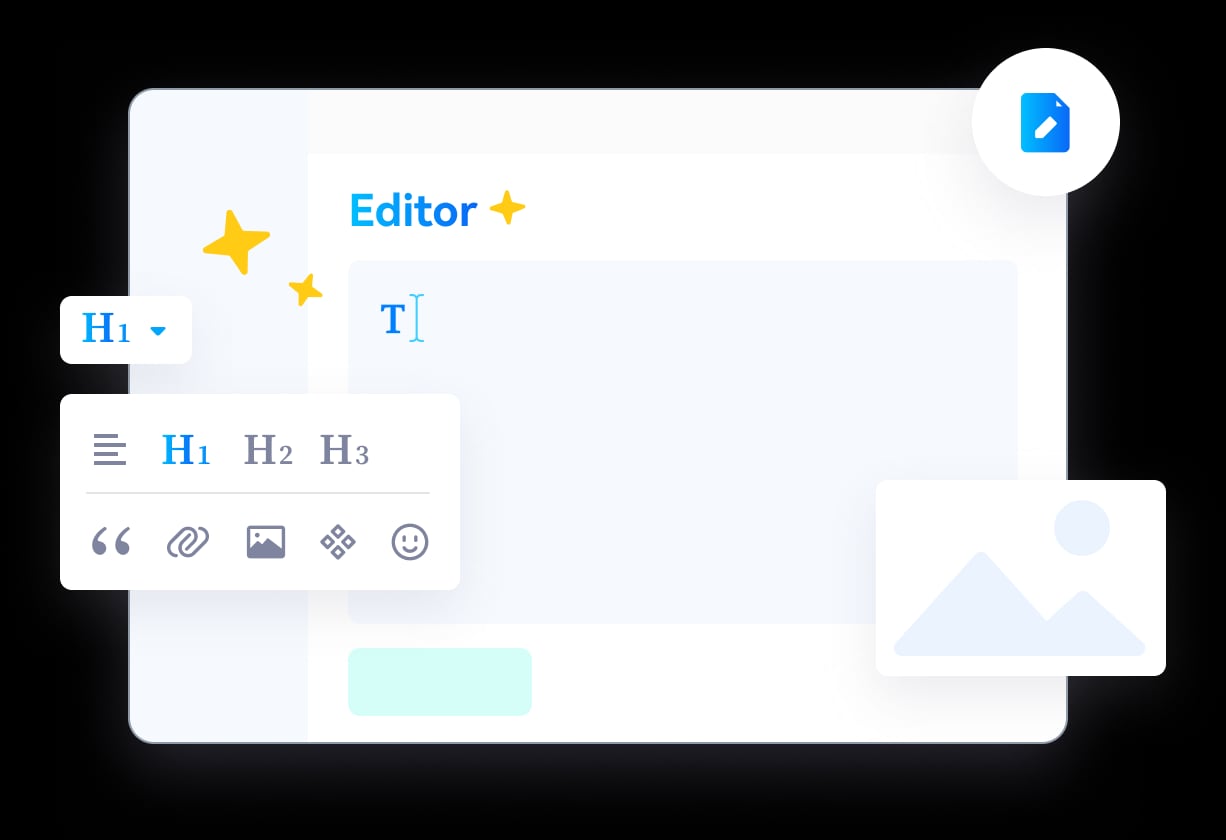
HelpLook product interface.
Knowledge Base and Content Creation
HelpLook offers a no-code content creation interface that makes it easy for non-technical team members to publish articles, product manuals, and blog posts. The platform emphasizes speed and simplicity, with customizable branding and SEO optimization built in.
Document360 provides a more structured authoring environment with categories, subcategories, version control, and workflow-based review processes. The AI writing agent helps authors draft content faster, and the platform supports API documentation alongside traditional help articles.
Zendesk includes a knowledge base as part of its broader platform, but content creation is one feature among many rather than the primary focus. The knowledge base integrates with Zendesk's ticketing and AI agents, so articles can be suggested directly in conversations.
Winner for content creation: Document360 for structured, version-controlled documentation; HelpLook for speed and simplicity.
AI Search and Chatbot Capabilities
HelpLook integrates with leading AI models including OpenAI, ERNIE Bot, and Azure to power AI-driven search and chatbot features. The platform analyzes customer queries and provides automated responses to repetitive issues, reducing manual intervention.
Document360 offers AI-powered search, an embeddable AI chatbot, and an AI writing agent. The MCP server support allows teams to connect their knowledge base to external AI applications, making documentation accessible across different AI workflows.
Zendesk takes AI further with self-improving AI agents that learn from every interaction. The Resolution Learning Loop continuously refines agent responses based on real outcomes, and the platform reports up to 80% automation for routine inquiries.
Winner for AI capabilities: Zendesk for autonomous AI agents at scale; HelpLook and Document360 for AI-powered search and chatbot within a knowledge base context.
Pricing and Accessibility
HelpLook offers a free tier and paid subscription plans starting at approximately $7 per month, with AI credits and scalable resources. The low entry price makes it accessible for startups, freelancers, and small businesses.
Document360 uses a tiered subscription model with pricing based on team size and feature requirements. The platform targets businesses that need advanced documentation features, so pricing typically starts higher than basic knowledge base tools.
Zendesk operates on a per-agent pricing model that scales with team size. The platform offers multiple tiers from basic support to enterprise-grade suites, with AI features available across plans. Total cost of ownership is generally higher due to the broader feature set.
Winner for pricing: HelpLook for the lowest entry cost and free tier; Zendesk and Document360 require larger budgets but deliver more comprehensive capabilities.
Ease of Use and Implementation
HelpLook emphasizes zero-code setup and quick deployment. The platform is designed for teams that want to publish a branded help center without developer involvement. The learning curve is minimal, and content can go live within hours.
Document360 has a steeper learning curve due to its advanced features, but the interface is well-designed for documentation teams. Implementation typically involves structuring your content hierarchy, configuring workflows, and training authors.
Zendesk requires the most significant implementation effort due to its breadth. Setting up omnichannel routing, AI agents, workforce management, and quality assurance takes time and often requires dedicated administrators.
Winner for ease of use: HelpLook for fastest time-to-value; Document360 for balance of power and usability.
Security and Compliance
Document360 holds SOC 2, ISO 27001, and GDPR certifications, making it suitable for regulated industries including finance and healthcare.
Zendesk also maintains SOC 2 and ISO 27001 certifications and is trusted by Fortune 100/500 companies for security and compliance.
HelpLook supports standard security features including two-factor authentication, password and access management, and audit trails, though it does not publicly emphasize enterprise compliance certifications to the same degree.
Winner for security: Document360 and Zendesk for enterprise-grade compliance certifications.
Use Case Scenarios
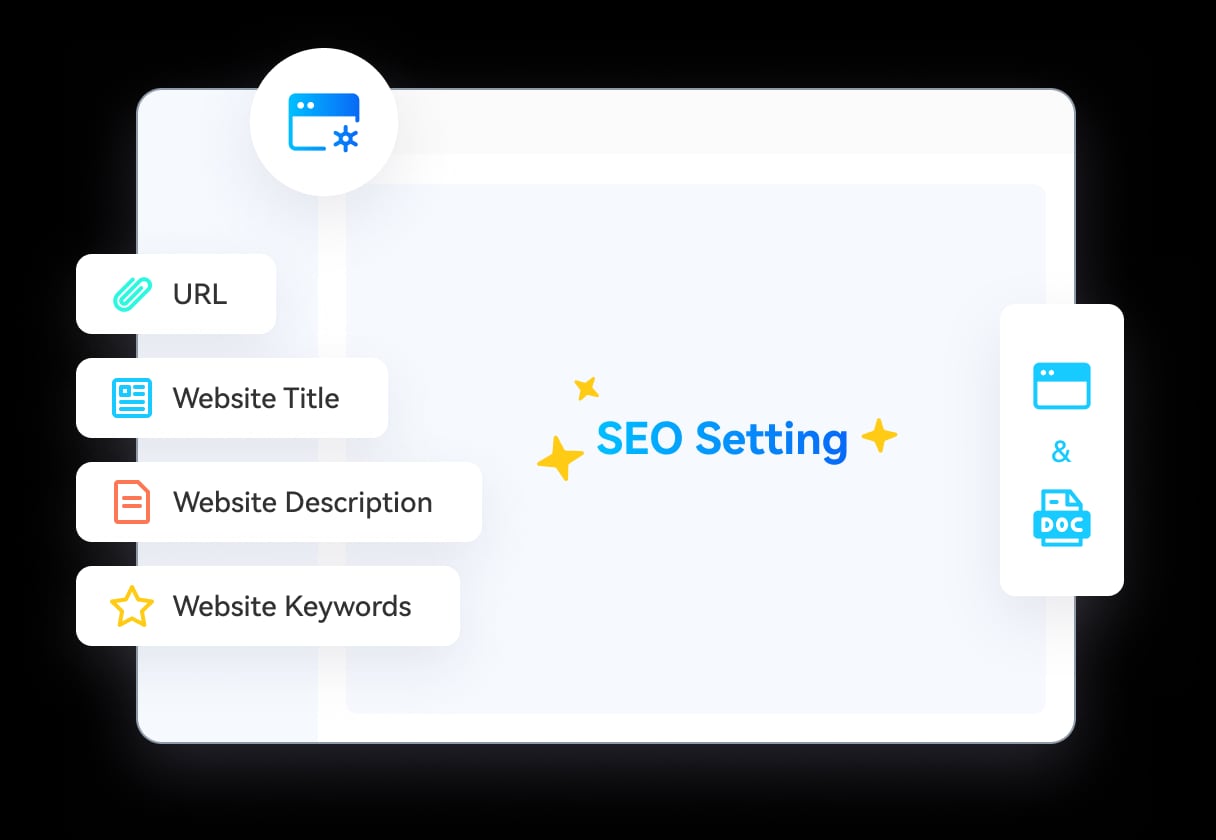
HelpLook product interface.
Scenario 1: Startup Building Its First Help Center
A SaaS startup with 15 employees wants to launch a customer-facing help center quickly. The team has no dedicated documentation staff and needs something that works out of the box.
Recommendation: HelpLook. The no-code interface, free tier, and SEO optimization let the team publish a branded help center without hiring specialists. AI search and chatbot features provide self-service from day one.
Scenario 2: Product Team Managing Complex API Documentation
A B2B software company with 200 employees needs to maintain API references, versioned product docs, and internal SOPs. The documentation team includes technical writers who need workflow approvals and version control.
Recommendation: Document360. The structured authoring environment, version control, API documentation support, and advanced analytics are built for exactly this use case. The Zendesk integration means the knowledge base can still feed into the support team's existing workflow.
Scenario 3: Enterprise Scaling Customer Service Operations
A company with 500+ support agents across multiple channels needs to automate routine inquiries, manage workforce scheduling, and track quality at scale.
Recommendation: Zendesk. The platform's AI agents, workforce management, quality assurance, and omnichannel routing provide the operational infrastructure that a knowledge base alone cannot deliver. Document360 or HelpLook could complement Zendesk as a dedicated knowledge layer, but the core service platform should be Zendesk.
How to Decide: A Practical Framework
Use this decision framework to narrow down your choice:
Define your primary problem. Are you trying to reduce support tickets through better self-service (knowledge base), organize complex documentation (Document360), or transform your entire support operation (Zendesk)?
Assess your team's technical capacity. If you have no developers and need something live this week, HelpLook's no-code approach wins. If you have technical writers and documentation workflows, Document360 fits better. If you have IT resources and a dedicated admin team, Zendesk is viable.
Calculate total cost of ownership. Include implementation time, training, ongoing maintenance, and integration costs—not just subscription fees.
Consider your growth trajectory. If you will need omnichannel support, workforce management, and AI agents within two years, starting with Zendesk may save a painful migration later.
Evaluate your content strategy. If SEO-optimized public documentation is a growth channel, HelpLook's SEO features matter. If internal knowledge sharing and versioned docs are the priority, Document360's structure helps.
For more detailed comparisons of knowledge base platforms, see our HelpLook vs Helpjuice vs Zendesk comparison or the HelpLook vs Document360 vs Stonly breakdown.
Related reading
- HelpLook vs KnowledgeBase vs Helpjuice: 2026 Comparison - Compare HelpLook, KnowledgeBase, and Helpjuice on AI search, content creation, pricing, and ease of use. Find the right knowledge base for your support team.
- HelpLook vs KnowledgeBase vs Archbee: 2026 Comparison - Compare HelpLook, KnowledgeBase, and Archbee on AI search, knowledge base features, pricing, and ease of use. Find the right platform for your support or docs team.
Sources and further reading
- HelpLook | Software Reviews & Alternatives - HelpLook Review: 'HelpLook is a zero-code, ready-to-use tool for creating help centers and blog websites'
- Best 11 interactive product documentation tools in 2026 - Interactive product documentation works better when users click, not just read. Choosing the right tool depends on more than feature lists.
- What Is User Documentation? Types, Benefits & Tools - Learn what user documentation is, the types you can create, and best practices for building effective, user-friendly product instructions.
Frequently Asked Questions
Is HelpLook a full replacement for Zendesk?
Not entirely. HelpLook excels at knowledge base creation, AI search, and chatbot-powered self-service, but it does not offer the full omnichannel ticketing, workforce management, and quality assurance features that Zendesk provides. Teams that need a complete service operation may use HelpLook alongside a ticketing system or choose Zendesk for the broader platform.
Can Document360 integrate with Zendesk?
Yes. Document360 offers seamless integration with helpdesk tools including Zendesk and Freshdesk. This allows support agents to access knowledge base articles directly within their Zendesk workflow, reducing context switching and improving resolution times.
Which platform has the best AI search?
Each platform approaches AI search differently. HelpLook integrates with OpenAI, ERNIE Bot, and Azure for AI-driven search. Document360 offers AI-powered search with intent understanding across large content libraries. Zendesk embeds AI search within its broader AI agent framework, learning from real interactions. The best choice depends on whether you need standalone knowledge base search or search integrated into a full support platform.
What is the cheapest option?
HelpLook has the lowest entry cost, with a free tier and paid plans starting around $7 per month. Document360 and Zendesk require larger budgets, though both offer tiered pricing that scales with team size and feature needs.
Can I migrate from one platform to another later?
Yes, all three platforms support content export and import, though migration complexity varies. Moving from a simple knowledge base to a full platform like Zendesk is generally easier than the reverse. Plan your content structure carefully to minimize migration friction.
Conclusion
HelpLook, Document360, and Zendesk serve overlapping but distinct needs. HelpLook is the fastest path to a branded, AI-powered knowledge base with SEO optimization and a low entry price. Document360 is the strongest choice for structured, version-controlled documentation with advanced analytics and enterprise security. Zendesk is the comprehensive customer service platform for organizations that need omnichannel support, AI agents, and operational management at scale.
Your decision should follow your primary problem. If you need better self-service content quickly, start with HelpLook. If documentation is a core product asset requiring governance and analytics, choose Document360. If you are transforming your entire support operation, invest in Zendesk.
For more platform comparisons, check out our HelpLook vs KnowledgeBase vs Zendesk analysis or explore how HelpLook compares to Documentation.AI and Bloomfire.